
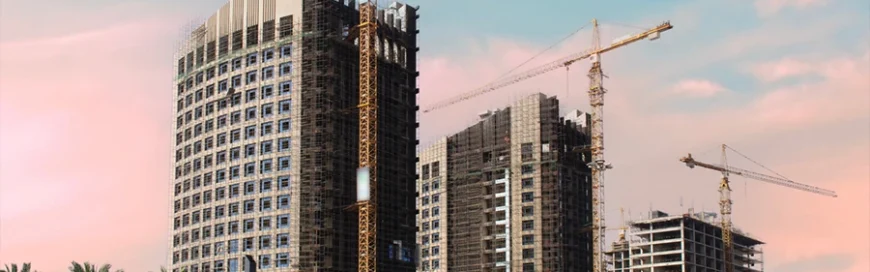
Why it's taking longer to build new office space
Pandemic-era disruptions and market pressures stretch timelines for small and large buildings
The time required to bring new office space to the market has increased dramatically in the U.S. in recent years, with both construction periods and project delays rising sharply since the onset of the pandemic. This trend is especially pronounced for larger office properties, but smaller buildings have not been immune to the slowdown.
According to CoStar data, the average timeline to complete a small office building, defined as less than 100,000 square feet, was about 10 months in the late 2010s. By 2025, that figure had climbed to 15 months, a 50% increase.
The story is similar for larger buildings. Before 2020, projects over 100,000 square feet typically took between 18 and 20 months to complete. Now, those same projects are taking nearly 10 months longer, with the most recent completions averaging more than 28 months.
The lengthening times it takes to complete a new office building are due to more than just longer construction periods. Delays have become a defining feature of the office development landscape. Over the past five years, smaller office buildings have reached completion about four months later than originally expected, on average. For larger buildings, the situation is even more acute: delays averaging six to eight months into 2024, but recent data show that the typical large office project is now being pushed back by about a year.
Several factors appear to be contributing to the slowdown in office deliveries. One likely culprit is the cost and availability of building materials. The supply chain crunch that started in 2021 produced immediate delays, and developers are still contending with the elevated prices for steel, concrete and other construction essentials.
Labor shortages have also contributed to the slowdown. While construction activity has slowed dramatically in many markets, easing the pressure on labor, shortages remain in areas where construction crews rely heavily on migrant workers.
Higher borrowing costs are yet another challenge for office developers, likely making it more difficult for some to secure crucial bridge financing to transition projects from construction to operations.
Aside from all these factors, market dynamics also present problems for completion timelines. Market participants say that some prelease deals are being terminated, either because tenants have slowed hiring and no longer need the space or because the agreed-upon rent negotiated before construction started is no longer accretive to building value, given the escalation in construction costs. These cancellations can force developers to pause or reconfigure projects, further delaying deliveries.
With office construction starts at a generationally low level, extended construction timelines are unlikely to be a long-term issue. However, the elevated construction delays can certainly cause problems for both owners and occupants looking to capitalize on the rapidly decreasing amount of premium, first-generation office space.
(CoStar Analytics | By Phil Mobley)
If you have questions or would like to read the related article, please contact us via email and we will send you the link.